Why I Ditched My Android Phone for an iPod to Listen to Music
When it comes to portable audio, modern Android phones are technical marvels—packed with high-res screens, transparent DACs, massive storage, and lossless wireless streaming. Yet, for many of us who grew up with tape decks and CD players, these devices can turn the simple joy of listening into a frustrating chore. Between constant notifications and algorithm-driven discovery feeds, the act of sitting down with an album feels lost. In this Q&A, I share why I traded my smartphone for an iPod and what I discovered about intentional music consumption.
1. What made you stop using your Android phone for music?
The main reason was constant distraction. Every time I tried to focus on an album, my phone buzzed with Slack messages, emails, or social media pings. Even the music apps themselves interfered—AI-generated playlists and “recommended” tracks kept interrupting my listening with viral songs I didn’t ask for. Instead of immersing myself in an album, I found myself fighting the device for control. The phone, despite all its power, turned music into a secondary activity. I wanted to reclaim the focused, uninterrupted experience I had with my old iPod.
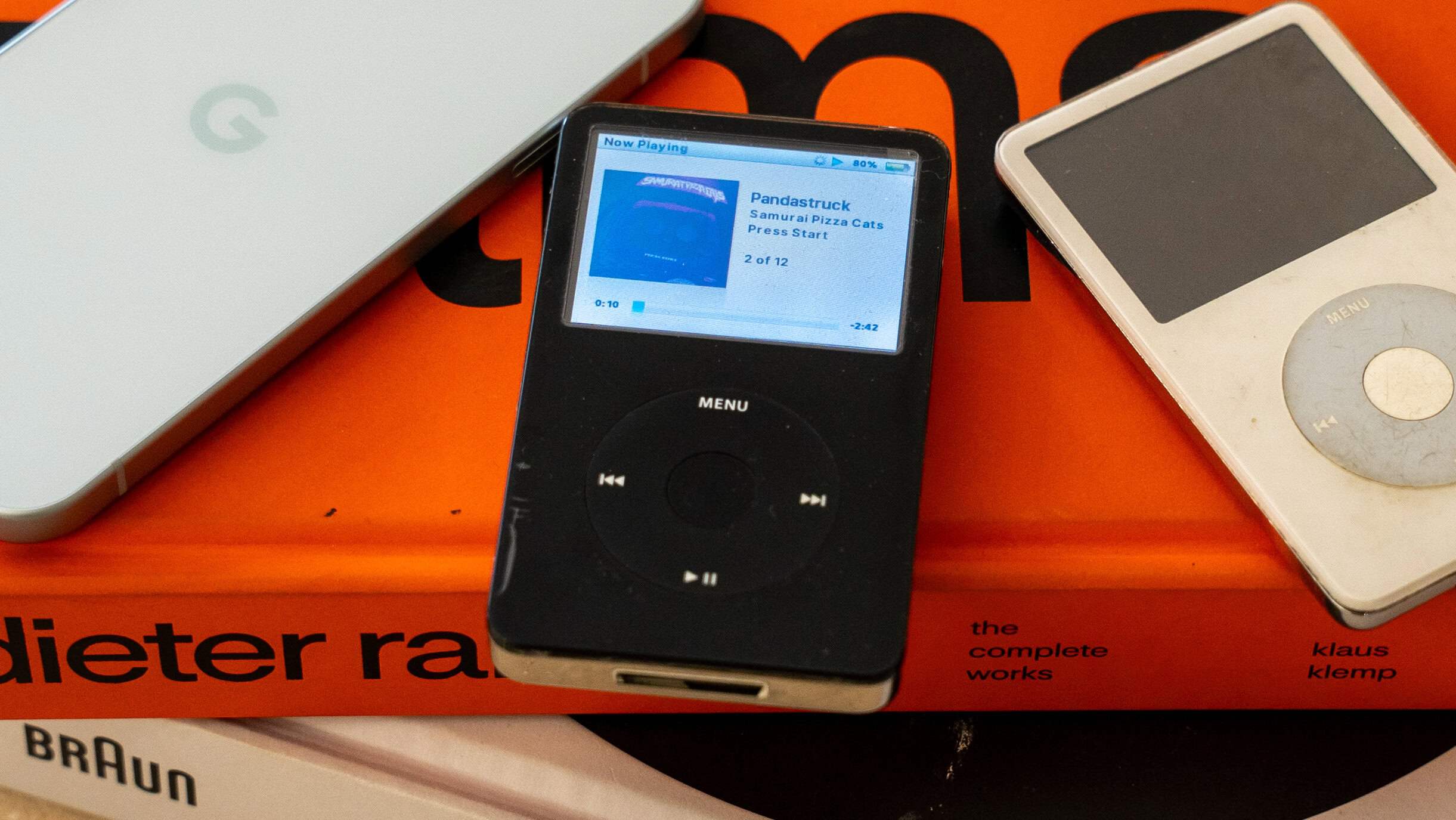
2. Doesn’t the Android phone offer superior audio hardware?
Absolutely. My Android phone has a screen that rivals my TV, a DAC chip that’s technically transparent, near-lossless wireless streaming, more storage than I can fill, and enough processing power to run a small datacenter. On paper, it’s a dream for audiophiles. However, hardware alone doesn’t determine the listening experience. The phone’s greatest strength—its connectivity—becomes its weakness when you’re trying to disconnect. The iPod, with its simpler hardware, lets me just press play and listen without all the extra noise.
3. What is the biggest drawback of using a smartphone for album listening?
The biggest drawback is the constant fragmentation of attention. Alerts from messaging apps, calendar reminders, and even system updates pull me away from the music. Additionally, streaming services use algorithms to push trending songs and discover weekly playlists, which feels like the platform is trying to rule my listening rather than serve it. I miss the era when I could pick an album, press play, and just let it run from start to finish without interruption. The phone makes that simple act feel like a battle against its own ecosystem.
4. How does the iPod improve the listening experience?
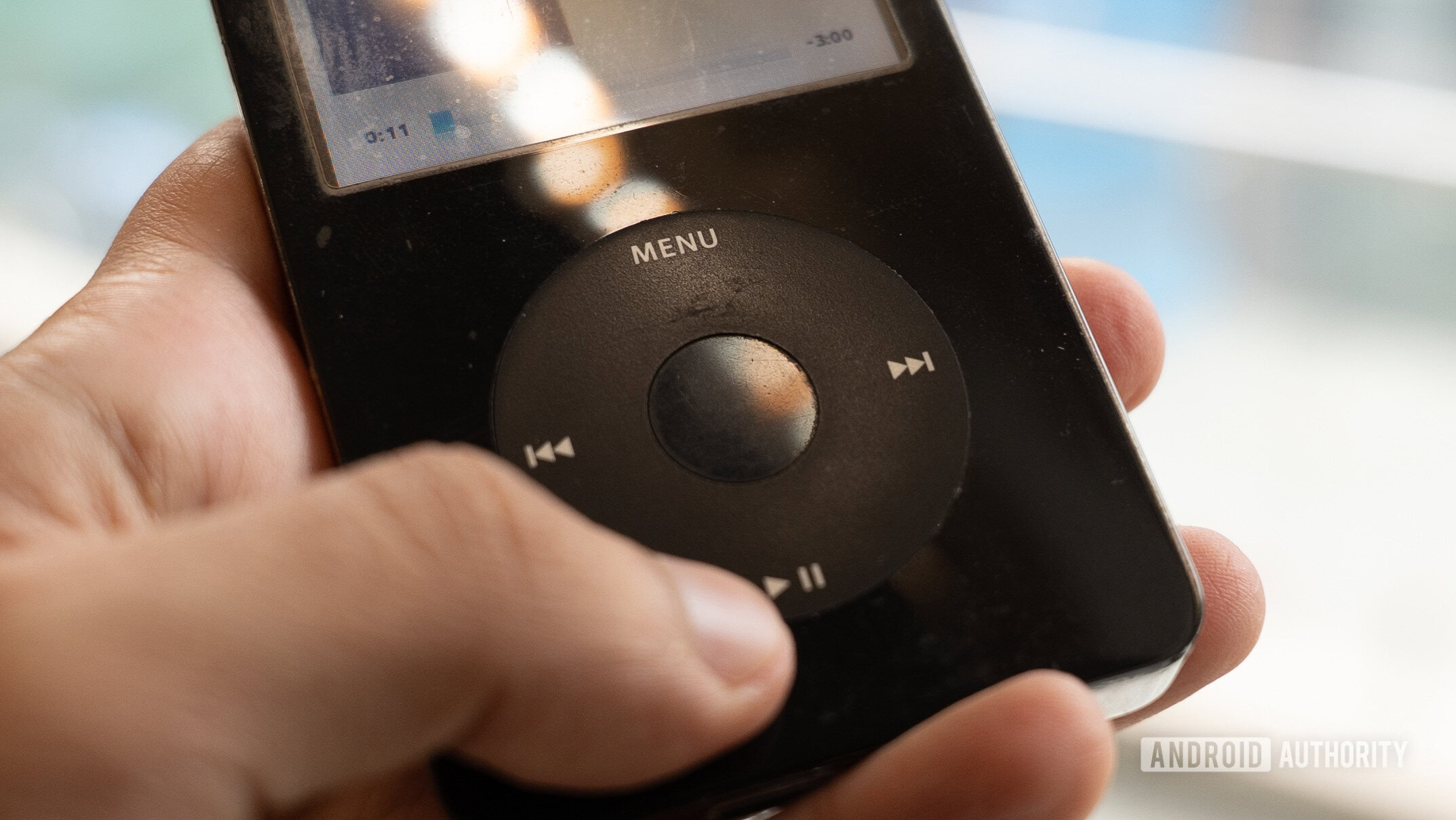
The iPod is a dedicated device with one job: play music. There are no notifications, no algorithm-driven suggestions, no temptation to check email or scroll social media. When I pick up my iPod, I am committing to the album I loaded onto it. This forced intentionality actually enhances enjoyment. I listen to entire records as the artist intended, without skipping or shuffling. The simpler interface—a click wheel and a small screen—removes all friction. It’s not about technical specs; it’s about creating a focused, ritualistic experience that the phone simply can’t replicate.
5. Does the iPod have any technical limitations compared to modern phones?
Yes, several. The iPod has limited storage (my classic model holds 160GB), supports only certain file formats (like ALAC and MP3), and its battery life has degraded over time. It lacks lossless streaming, high-res audio codecs, and of course, Internet connectivity. You have to manually sync music via iTunes (or a third-party manager), which is more work than streaming. However, these limitations are exactly what I appreciate—they force me to curate my music library deliberately. I’m trading convenience for control, and for me, that trade‑off is worth it.
6. What did you learn about how people consume music today?
I learned that access does not equal appreciation. Having millions of tracks at your fingertips often leads to passive, distracted listening—skipping around, letting algorithms choose, and never truly sinking into a single album. My iPod taught me that limitations can enhance creativity and focus. By restricting my music to a finite library, I listen more deeply and discover new favorites through repeated plays. It’s a reminder that technology should serve our habits, not dictate them. For anyone feeling overwhelmed by choice, going back to a simpler device can be liberating.
7. Would you recommend others to switch to an iPod today?
Only if you’re seeking a more intentional listening experience. If you value convenience, unlimited streaming, and having everything in one device, stick with your Android phone. But if you miss the ritual of sitting down with an album, without any pings or recommendations interrupting, the iPod is a fantastic alternative. You’ll need to build a local music library and embrace the extra effort of syncing. It’s not for everyone, but for those tired of algorithm‑driven playlists and notification fatigue, it offers a peaceful, satisfying way to enjoy music again.