Should You Hold Off on the Latest MacBook Pro? The Future Looks Brighter
Introduction
Apple released the updated 14-inch and 16-inch MacBook Pro models with M5 Pro and M5 Max chips in March 2026. While these machines offer faster processors, they retain the same design introduced back in 2021. If you're considering an upgrade, you may want to pause—because rumors indicate a major redesign arriving in late 2026 or early 2027. This forthcoming overhaul promises a fresh display technology, a thinner chassis, and even more powerful internals. Here's everything we know about what's coming and why waiting could be worth it.
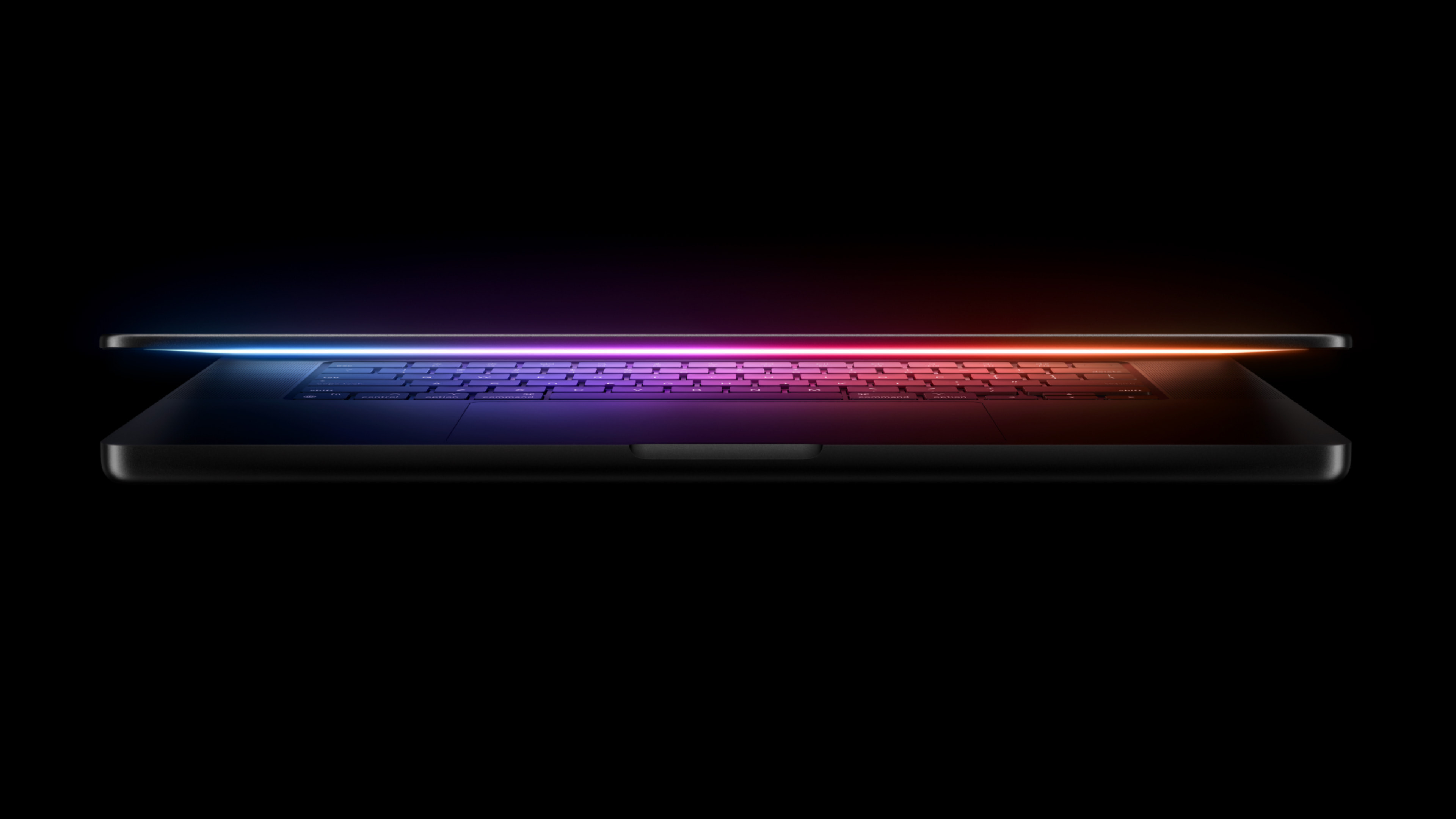
OLED Touchscreen Display
The next MacBook Pro is widely expected to feature an OLED display for the first time. Apple has long used OLED in its iPhones, and the M4 iPad Pro already showcased this technology in 2024. Compared to the current mini-LED screens, OLED offers true blacks, more vibrant colors, and no blooming effect from surrounding pixels because each pixel lights independently. Power efficiency gets a boost, response times improve, and viewing angles widen. Although OLED brightness historically lagged behind LEDs, recent advancements have closed that gap—making HDR content look stunning with deep blacks and intense highlights.
Beyond the display itself, the same generation is rumored to introduce touchscreen capabilities. Apple previously resisted adding touch to the Mac, but that stance has shifted. Multiple sources indicate touch support will complement traditional mouse and keyboard inputs, giving users a more iPad-like experience when needed.
Design Refresh and Dynamic Island
With no major design change since 2021, the OLED MacBook Pro is likely to get a visual makeover. Rumors suggest a thinner profile while keeping the same 14-inch and 16-inch screen sizes, and Apple won't remove the keyboard or trackpad. One notable change: the notch may be replaced by a Dynamic Island—a smaller, interactive cutout that adapts based on what you're doing. It can expand to show system alerts, player controls, or other contextual information, freeing up screen space compared to the current notch.
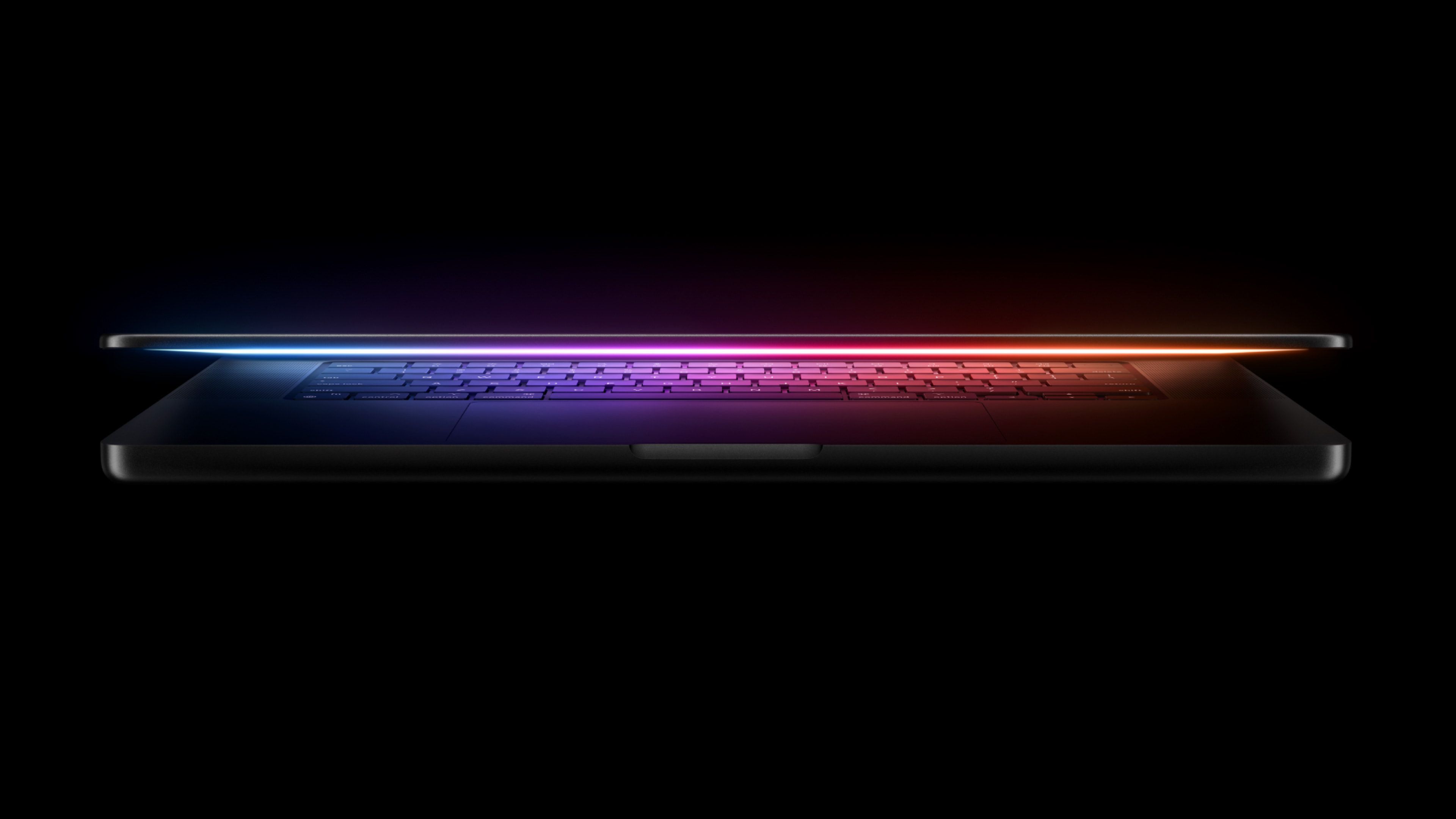
2nm Chip: M6 and Beyond
The OLED MacBook Pro will debut Apple's next-generation M6 series chips built on a 2‑nanometer process. This shift from the current 3nm technology brings faster performance and lower power consumption thanks to GAA (gate-all-around) nanosheet transistors, which surpass the FinFET design used today. Expect higher transistor density and improved performance per watt—great for creative professionals who push their machines to the limit.
Cellular Connectivity and Ultra Branding
Another exciting possibility is built-in 5G connectivity. If Apple brings cellular to the Mac, the OLED MacBook Pro would be a perfect candidate, allowing users to stay online without Wi-Fi. Additionally, these high-end models may carry an “Ultra” branding to differentiate them as the premium tier within the lineup—much like the iPhone Pro Max or Apple Watch Ultra. However, the OLED touchscreen and other advanced features are expected to be limited to the top-tier 14-inch and 16-inch variants due to cost.
Conclusion
If you can hold off until late 2026 or early 2027, the next MacBook Pro promises a leap forward: OLED display with touch, a sleek redesigned chassis, faster and more efficient chips, and possibly cellular support. The current M5 models are solid, but the upcoming generation offers a genuinely fresh experience. Evaluate your needs—if you must upgrade now, the M5 MacBook Pro is still capable, but if you value cutting-edge features and design, waiting will pay off.