Inside Earth's Invisible Shield: NASA's STORIE Mission Unravels the Mysteries of the Ring Current
Earth's magnetic field acts like a cosmic trap, snaring charged particles in a doughnut-shaped region called the ring current. This invisible swarm plays a critical role in space weather, yet many secrets remain. NASA's upcoming STORIE mission aims to change that. Below, we explore key questions about the ring current and the innovative mission that will study it from the International Space Station.
What exactly is Earth's ring current and where is it located?
Earth's ring current is an invisible, doughnut-shaped region of trapped electrically charged particles, primarily ions and electrons, that surrounds our planet. It forms when the magnetic field captures particles from the solar wind and Earth's own ionosphere. The ring current overlaps the outer Van Allen radiation belt but is distinct because it contains lower-energy particles. Positively charged particles, like oxygen and hydrogen ions, and negatively charged electrons flow in opposite directions, generating electrical currents. This region typically lies between about 10,000 and 60,000 kilometers from Earth's surface. During geomagnetic storms, the ring current intensifies and expands, sometimes reaching closer to Earth. Understanding its location and behavior helps scientists predict space weather effects on satellites and ground infrastructure.
Why is the ring current important for space weather?
The ring current directly influences how Earth responds to space weather events, particularly solar storms. When the Sun ejects bursts of plasma and magnetic field, they can slam into Earth's magnetosphere, injecting new particles into the ring current. This causes the ring current to swell, altering the magnetic field near Earth. These changes can induce electrical currents in long conductors on the ground, such as power lines and pipelines, potentially damaging transformers or corroding pipelines. Moreover, the ring current contributes to spacecraft charging, as its energetic particles can build up static electricity on satellite surfaces, leading to glitches or failures. By monitoring the ring current, scientists can better forecast these hazards. Yet, many details about how the ring current grows and shrinks remain unknown, which is why NASA's STORIE mission is so crucial.
How does the ring current differ from the Van Allen radiation belts?
Both the ring current and the Van Allen radiation belts are regions of charged particles trapped by Earth's magnetic field, but they differ in energy and dynamics. The Van Allen belts contain extremely energetic particles—electrons and protons—that can reach relativistic speeds. In contrast, the ring current consists of lower-energy particles, typically in the kiloelectron volt range. The radiation belts are more stable, with particle populations that persist for years, while the ring current fluctuates dramatically during space weather events. Additionally, the ring current's particles flow in opposite directions for positive and negative charges, creating a net current, whereas the radiation belts do not produce such a coherent current. The ring current also lies partially outside the outer radiation belt. During major solar storms, the ring current can become the dominant driver of magnetic disturbances at Earth's surface, making it a key focus for space weather studies.
What is NASA's STORIE mission and how will it work?
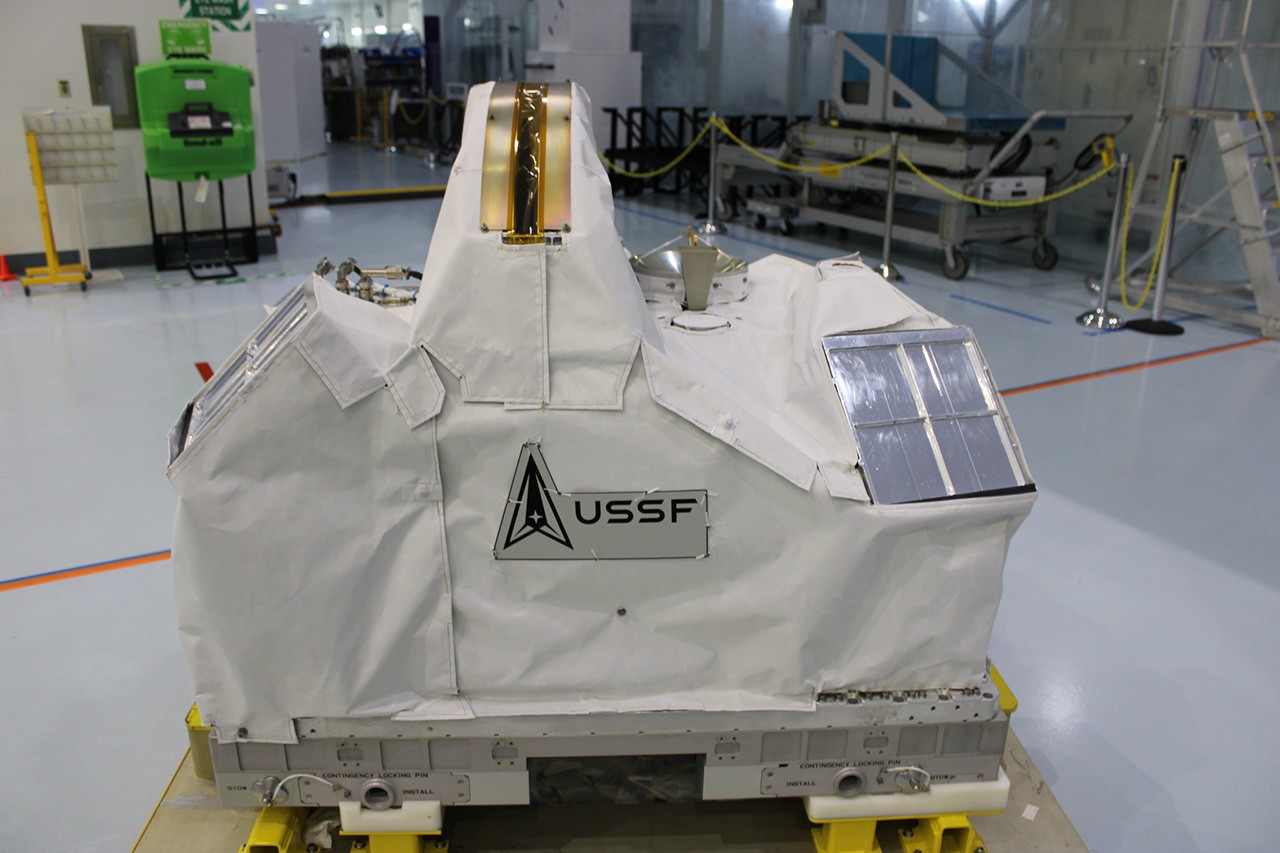
STORIE stands for Storm Time O+ Ring current Imaging Evolution. It is a NASA instrument designed to provide an inside-out view of the ring current from the International Space Station (ISS). Scheduled to launch in May aboard a SpaceX commercial resupply mission, STORIE will be robotically installed on the exterior of the ISS. Once operational, it will look outward toward the ring current, imaging the particles and measuring their composition, energy, and density. The instrument focuses on oxygen ions (O+), which are a key component of the ring current. By observing how the ring current changes during solar storms, STORIE will help answer fundamental questions about its formation, evolution, and decay. The mission is part of the Space Test Program Houston 11 payload, a collaboration between the U.S. Space Force and NASA. STORIE promises to fill critical gaps in our understanding of space weather phenomena.
What are scientists hoping to learn from STORIE?
Scientists hope STORIE will reveal how the ring current's trapped particle population is built up and where it originates. Specifically, they want to understand the processes that inject particles from the solar wind and Earth's ionosphere into the ring current during geomagnetic storms. Another key question is how the ring current's composition changes—for example, why oxygen ions become more abundant during storms. STORIE will also track the ring current's spatial evolution, showing how it expands and contracts, and how its currents intensify. This knowledge can improve models that predict space weather impacts on technology. Alex Glocer, STORIE's principal investigator at NASA's Goddard Space Flight Center, emphasizes that these details are vital for protecting satellites, power grids, and communication systems. The mission will provide the first global images of the ring current's oxygen ion content, opening a new window into near-Earth space dynamics.
What practical impacts can the ring current have on our technology?
Variations in the ring current can have direct consequences for technology both in space and on the ground. During intense geomagnetic storms, the ring current's electrical currents create magnetic fluctuations that induce currents in long conductors. These geomagnetically induced currents can flow through power lines and pipelines, potentially overloading transformers, causing blackouts, or accelerating corrosion. The ring current also contributes to the charging of spacecraft surfaces. As satellites orbit through the ring current, they accumulate electric charge, which can cause electrostatic discharges that damage electronics or cause temporary malfunctions. For example, in 2003, a severe storm led to a satellite outage. Moreover, the ring current affects the density of charged particles in the upper atmosphere, influencing satellite drag. By better understanding and monitoring the ring current through missions like STORIE, we can develop more accurate warnings and mitigation strategies to protect critical infrastructure.