How to Connect Your Disconnected AI Agents for Unified Insights
Introduction
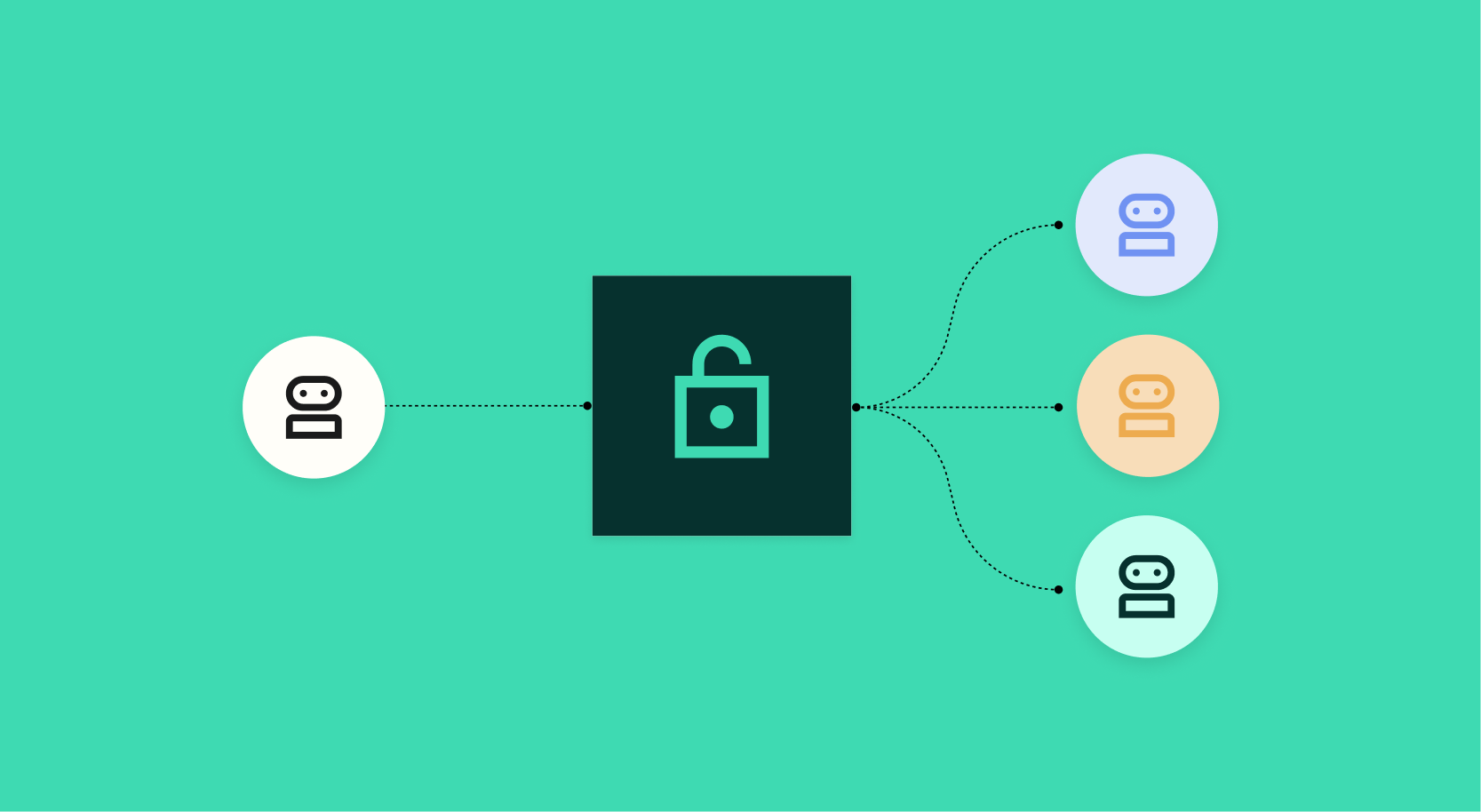
Your AI agents have been working in isolation—each one tackling a specific task without sharing context. This siloed approach leads to fragmented answers and missed opportunities. Imagine a supply chain lead asking about the impact of Florida weather on quarterly forecasts; without a connected system, your demand forecasting agent and supply chain agent may give conflicting responses. This guide walks you through integrating your AI agents so they collaborate seamlessly, delivering a single, coherent answer. By the end, you'll have a unified intelligence network that turns disjointed data into actionable insights.
What You Need
- List of AI agents (e.g., chatbots, automation tools, data analysis bots)
- API access for each agent (REST, GraphQL, or SDK)
- Central communication platform (e.g., Slack, Microsoft Teams, custom webhook)
- Shared data storage (database, cloud bucket, or memory cache)
- Authentication and permission management (API keys, OAuth tokens)
- Basic programming or low-code integration tool (e.g., Zapier, n8n, Python scripts)
- Monitoring and logging setup (logs, dashboards)
Step-by-Step Guide
Step 1: Identify and Catalog Your AI Agents
Start by listing every AI agent in your organization. Note their purpose, the data they access, and their output format. For example:
- DemandForecaster AI – predicts product demand using sales history.
- SupplyChainBot – monitors logistics and alerts on disruptions.
- WeatherIntel AI – provides weather forecasts and historical data.
Document their communication protocols (HTTP, WebSocket) and data schemas. This inventory becomes your blueprint for integration.
Step 2: Define a Shared Communication Protocol
Agents can’t talk if they speak different languages. Choose a universal message format—JSON is recommended—and agree on a standard structure. For instance:
{
  "agent_id": "demand_forecaster",
  "query": "impact of Florida weather on Q3 forecast",
  "context": { "region": "Southeast", "timeframe": "quarter" },
  "response": { ... }
}
Define fields like agent_id, query, context, and response. This ensures every agent can parse incoming messages and generate replies that others understand.
Step 3: Set Up a Central Communication Hub
Create a central bus where agents can send and receive messages. Options include:
- Message queue (RabbitMQ, Kafka) – decouples agents and handles high throughput.
- Webhook relay (Slack bot, custom endpoint) – simpler for low-volume integrations.
- API gateway (Kong, AWS API Gateway) – if agents need to call each other synchronously.
Configure each agent to push messages to this hub and subscribe to relevant topics. For example, the WeatherIntel AI publishes a weather alert; SupplyChainBot subscribes to that topic to adjust routes.
Step 4: Enable Contextual Data Sharing
Agents need shared context to avoid talking past each other. Set up a shared memory store (Redis, DynamoDB) where agents can write and read current state. Implement rules like:
- WeatherIntel AI writes “Florida storm severity = high” to context.
- DemandForecaster AI reads that context and adjusts forecast.
- SupplyChainBot reads both to recommend rerouting.
Ensure each agent has permission to update relevant keys. Use timestamps to avoid stale data.
Step 5: Implement a Query Router
When a user asks a complex question, a router agent determines which agents to involve and in what order. For the supply chain query:
- Router receives: “What’s the impact of Florida weather on Q3?”
- It queries WeatherIntel AI for historical weather data.
- It passes that to DemandForecaster AI for revised numbers.
- Finally, it sends everything to SupplyChainBot for operational impact.
- Router aggregates responses into one answer.
This orchestration can be a separate agent or a simple script. Key is to handle dependencies and timeouts gracefully.
Step 6: Test the Integration End-to-End
Run test scenarios similar to the Monday morning question. Verify that:
- Each agent receives correct inputs.
- Shared context is updated in real-time.
- Router returns a unified, accurate response.
- Errors are logged and handled (e.g., if WeatherIntel AI is down).
Use a test environment first. Simulate failures to ensure robustness.
Step 7: Monitor, Iterate, and Scale
Deploy to production with monitoring. Set up alerts for message delays, agent failures, or context conflicts. Regularly review logs to refine the protocol. As you add more agents, ensure the hub can scale—consider using a service mesh or event-driven architecture.
Tips and Best Practices
- Start small: Connect two agents first (e.g., weather and demand). Once stable, add more.
- Use idempotent messages: So repeated sends don’t cause double processing.
- Security first: Never expose raw agent endpoints. Use authentication and encrypt sensitive context.
- Document the schema: Maintain a shared specification (OpenAPI, AsyncAPI) so new agents integrate easily.
- Human oversight: For critical decisions, have a human-in-the-loop to review the composite answer.
- Fallback logic: If an agent fails, the router should return a partial answer with a note.
- Performance: Cache frequent queries and use async calls to avoid blocking.
- Refer back to steps: When troubleshooting, revisit Step 2 (protocol) or Step 4 (context).
By following this guide, you transform a collection of isolated AI agents into a synergistic network. Your team will get coherent answers—like the impact of Florida weather on quarterly forecasts—without manual data stitching. The future of AI is collaborative; start connecting today.