How Rivian Turned a Late Entry into a Perfect Market Opening
Introduction
When Rivian first announced its electric pickup and SUV, many skeptics wondered: How could a startup possibly break into the EV market after Tesla had already become a giant and legacy automakers were flooding the airwaves with EV ads? Yet Rivian didn’t just survive — it carved out what many now call a perfect opening. This guide breaks down the step-by-step strategy Rivian used to identify, seize, and capitalize on that opening. Whether you’re an entrepreneur, investor, or EV enthusiast, these lessons show how timing, focus, and partnerships can turn a late entry into a commanding position.
What You Need (Prerequisites for Success)
- A clear vision of an underserved market segment (e.g., adventure-oriented EVs)
- Strong partnerships with established industry players (e.g., Amazon, Ford)
- Significant capital for R&D and manufacturing
- A differentiated product that solves a real gap in the market
- A direct-to-consumer sales model that bypasses traditional dealerships
- Compelling brand storytelling that resonates emotionally with customers
Step-by-Step Guide
Step 1: Identify the Underserved Niche
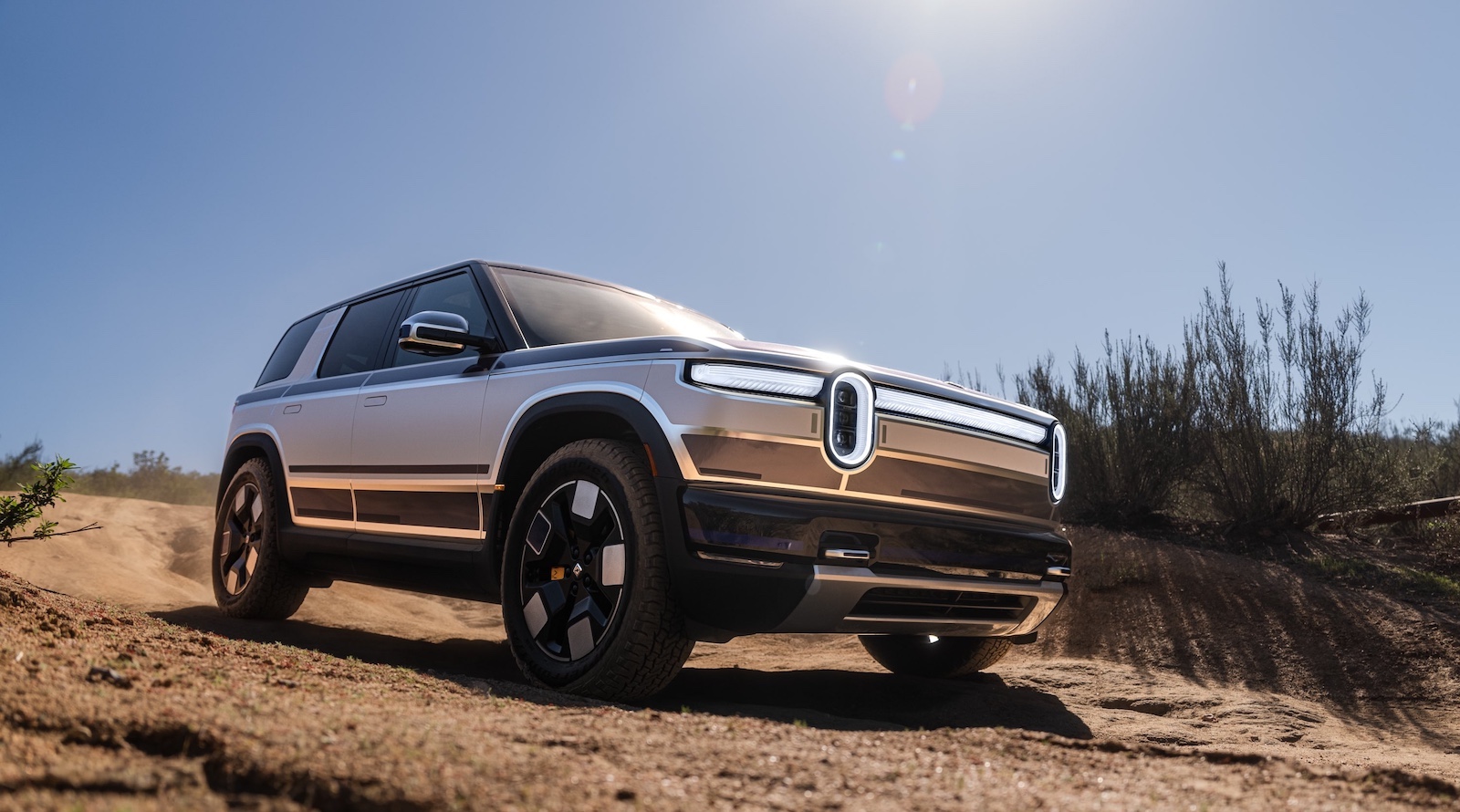
Rivian’s first move was noticing that while Tesla owned the luxury sedan and compact SUV space, and legacy automakers offered sedans and CUVs, no one was building a rugged, electric pickup truck or off-road SUV for the adventure lifestyle. The R1T pickup and R1S SUV targeted outdoor enthusiasts, contractors, and families who wanted zero-emission power without sacrificing capability. By asking, “What does the market lack that we can uniquely provide?” Rivian found its opening.
Step 2: Secure Strategic Investments and Partnerships
Rivian didn’t go it alone. It raised billions from Amazon (which also ordered 100,000 electric delivery vans) and Ford (which invested $500 million and later increased that stake). These partnerships provided not only cash but also credibility, supply chain access, and a built-in customer (Amazon). The lesson: align with powerful allies who share your vision and can accelerate your growth.
Step 3: Build a Compelling Product Lineup
Rivian designed two flagship consumer vehicles — the R1T pickup and the R1S SUV — plus the Amazon EDV. Each vehicle featured innovative storage (gear tunnel, front trunk), impressive off-road capability (quad-motor all-wheel drive, adjustable air suspension), and a range of over 300 miles. By focusing on utility and adventure rather than just range or speed, Rivian differentiated itself from every other EV on the market.
Step 4: Create a Direct-to-Consumer Experience
Instead of relying on franchised dealers, Rivian adopted a Tesla-like direct sales model. Customers order online, configure their vehicle, and pick it up at a Rivian hub or service center. This cuts costs, controls pricing, and builds a direct relationship with buyers. Rivian also invested in mobile service vans and pop-up test-drive events to reach customers in remote areas — perfect for its adventure brand.
Step 5: Tell a Powerful Brand Story
Rivian’s marketing highlighted sustainability, exploration, and freedom. Its launch videos showed the R1T climbing rocky trails and towing boats, all with the tagline “Keep the world adventurous.” The company emphasized that electric vehicles could be tough, practical, and fun — not just eco-friendly commuters. This narrative resonated deeply with a demographic that felt overlooked by other EV makers.
Step 6: Scale Manufacturing and Vertical Integration
Rivian built its own factory in Normal, Illinois (former Mitsubishi plant) and invested heavily in in-house battery packs, drive units, and software. This vertical integration allows them to control quality, reduce dependency on suppliers, and iterate quickly. Despite production challenges, the focus on owning the supply chain is critical for long-term success — a lesson from Tesla’s own early struggles.
Tips for Success
- Don’t be afraid of late entry — if you find an unmet need, you can still win.
- Partnerships are more than money — pick partners who bring expertise, distribution, and trust.
- Differentiate or die — in a crowded market, being slightly different is not enough; be radically different.
- Invest in storytelling — customers buy into a lifestyle, not just a vehicle.
- Control your own destiny — own your manufacturing, sales, and service as much as possible.
- Stay patient and focused — Rivian lost money for years, but its long-term vision kept it on track.