How to Watch SpaceX’s Dragon Cargo Launch to the ISS: A Step-by-Step Guide
Overview
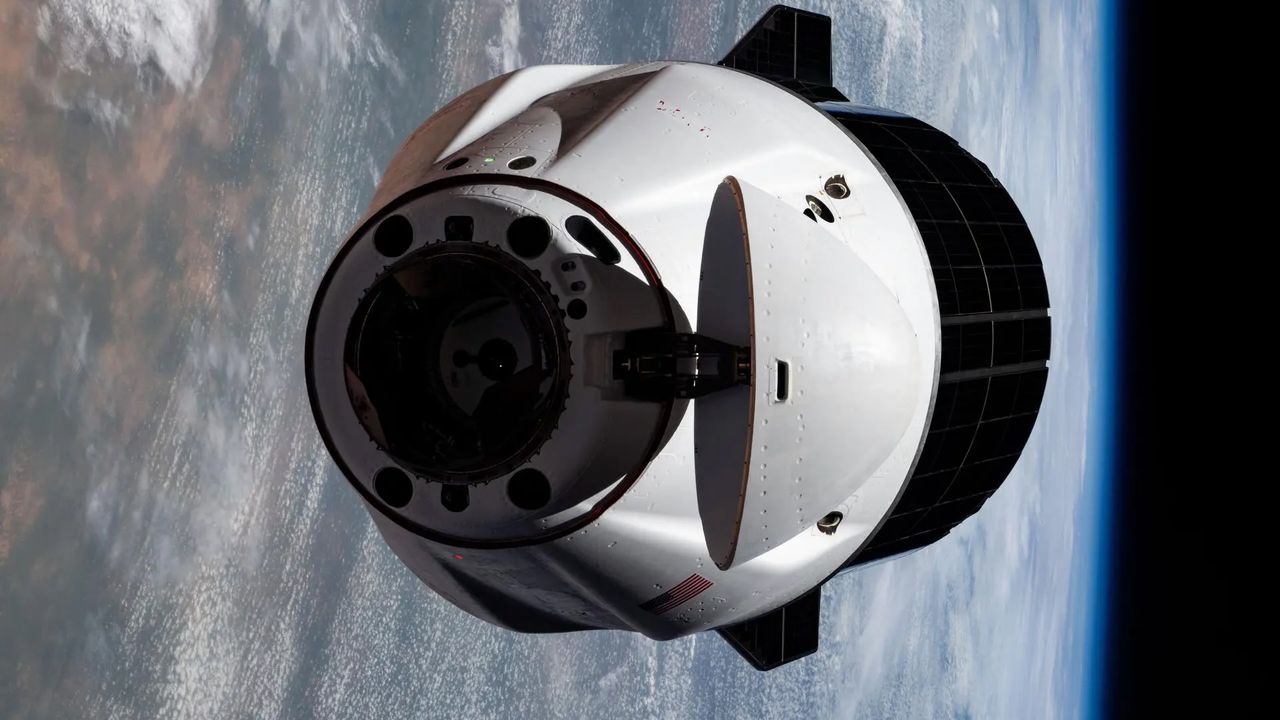
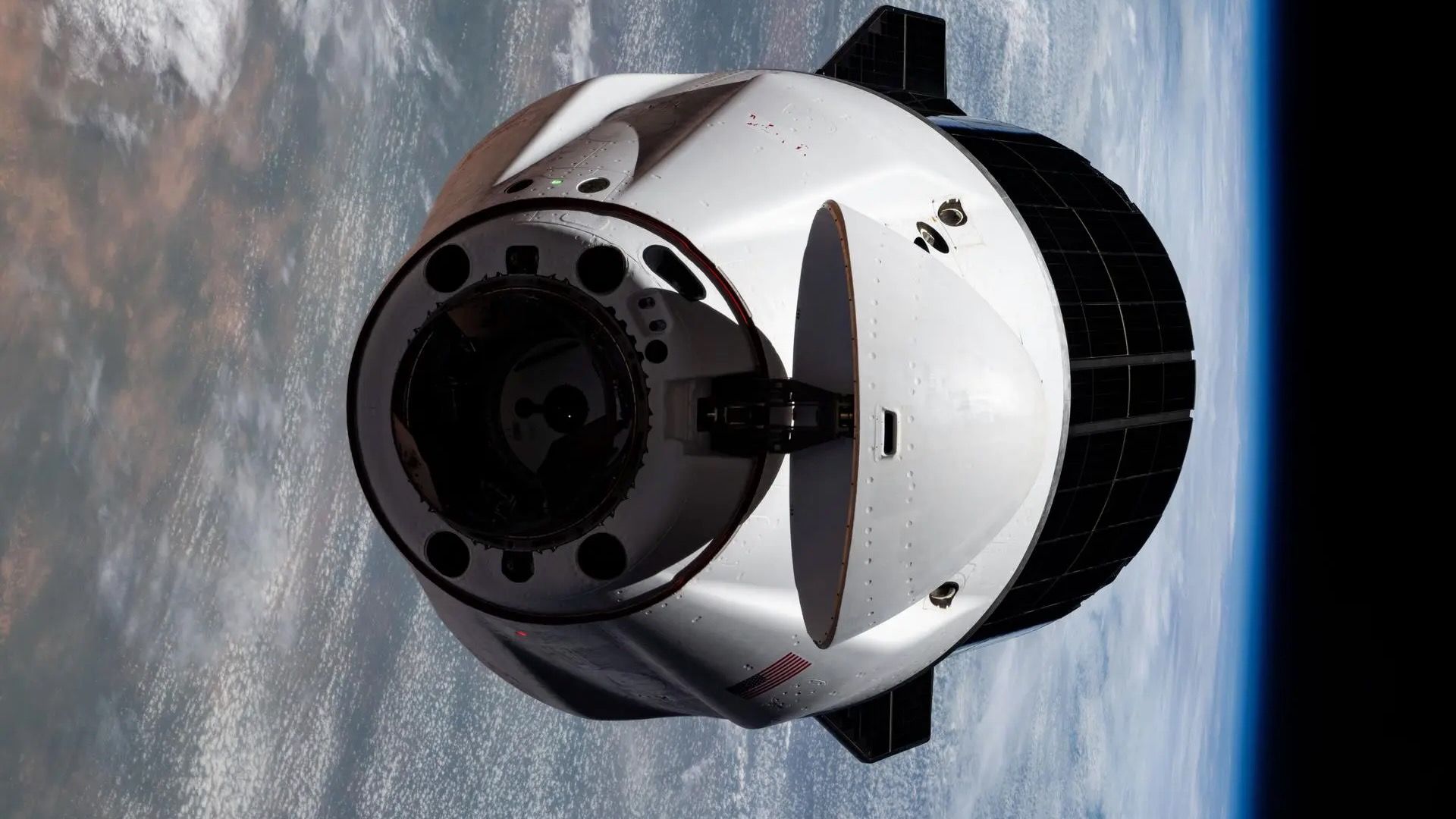
On the evening of May 12, SpaceX is scheduled to launch its Dragon cargo capsule atop a Falcon 9 rocket from Kennedy Space Center in Florida. The spacecraft carries roughly 6,500 pounds (about 2,950 kilograms) of supplies, experiments, and equipment destined for the International Space Station (ISS). This mission, part of NASA’s Commercial Resupply Services contract, will mark another critical link in the chain that keeps the orbital laboratory operational. Whether you’re a space enthusiast, a student, or a curious observer, this guide will walk you through everything you need to know to watch the launch live, understand the key milestones, and avoid common pitfalls.
Prerequisites
What You’ll Need
- A stable internet connection (Wi-Fi or cellular data).
- A device capable of streaming video: smartphone, tablet, laptop, or smart TV.
- A web browser or the SpaceX/NASA app (optional but handy for additional features).
- Basic familiarity with time zones – the launch time is given in Eastern Time (ET), so convert to your local time if needed.
Recommended Tools
- NASA’s official live stream page (nasa.gov/live).
- SpaceX’s YouTube channel or website (spacex.com/launches).
- A reliable news feed for real-time updates (e.g., SpaceFlightNow, NASASpaceflight).
Step-by-Step Instructions
1. Confirm the Launch Time and Date
The launch window opens at 8:14 p.m. ET on May 12. Always check SpaceX or NASA official sources for any last-minute schedule changes, as launch times can shift due to weather, technical issues, or range conflicts. Pro tip: Sign up for email alerts from NASA or follow SpaceX on Twitter (@SpaceX) for instant updates.
2. Choose Your Viewing Platform
Two primary streams are available:
- NASA TV (nasa.gov/live): Offers a mission control perspective, including commentary and pre‑launch briefings. Ideal for understanding the broader context.
- SpaceX’s Webcast (youtube.com/SpaceX or spacex.com): Features high-quality camera views from the pad, onboard rocket cameras, and detailed vehicle telemetry. Delays of a few seconds are common, but the visual experience is immersive.
Open your chosen stream about 30 minutes before the launch window (i.e., by 7:44 p.m. ET) to catch pre‑launch commentary and vehicle fueling updates.
3. Understand the Launch Sequence
Familiarize yourself with key events so you know what to watch for:
- T‑minus 00:03:00 (3 minutes before liftoff): SpaceX flight computer begins automated countdown. Strongback (launch tower) retracts.
- T‑minus 00:00:00: Liftoff! Falcon 9’s nine Merlin engines ignite, producing 1.7 million pounds of thrust.
- T+00:02:30: Main engine cutoff (MECO) and stage separation. First stage falls away toward a drone ship landing attempt.
- T+00:08:30: Second stage engine cutoff (SECO). Dragon separates from the second stage.
- T+00:10:00: Dragon’s solar arrays deploy, confirming successful power generation.
For those interested in the first-stage landing, watch for the booster’s return to Earth – it will perform a series of burns and aim for the drone ship Of Course I Still Love You.
4. Interpreting the Telemetry Overlay (Optional)
SpaceX’s stream often shows a data display in the corner. Key numbers include:
- Velocity: Speed relative to the ground. At MECO, it’s roughly 2.5 km/s.
- Altitude: Height above Earth’s surface. At staging, approximately 80 km.
- Status: Watch for ‘Nominal’ – meaning everything is going to plan.
If numbers seem off (e.g., sudden drops), don’t panic – temporary sensor glitches occur, but mission control monitors everything.
5. Follow Post‑Launch Events
After Dragon separates, the mission continues:
- Dragon will perform a series of orbit-raising burns over the next day or so.
- Rendezvous and docking with the ISS occurs approximately 24 hours after launch. NASA TV will cover the approach and capture at 5:30 a.m. ET on May 14 (time subject to refinement).
- The cargo includes fresh food, research hardware, and spare parts. Keep an eye out for NASA’s post-docking press conference.
Common Mistakes
1. Relying on Unofficial Streams
Third‑party sites or social media re‑streams often have lag, lower quality, or even inaccurate commentary. Always go to official sources: NASA TV (nasa.gov) or SpaceX’s YouTube channel.
2. Ignoring Time Zone Conversions
Many viewers miss the launch because they did not convert Eastern Time to their local time. Use a reliable time zone converter like timeanddate.com. For example, 8:14 p.m. ET is 5:14 p.m. PT (Pacific) or 1:14 a.m. BST (next day in the UK).
3. Not Checking Weather Constraints
Even a minor thunderstorm can delay a launch. Check the 45th Weather Squadron forecast a few hours before the window. If weather is iffy, the launch may be postponed to the next day (May 13). Stay flexible.
4. Overlooking Dragon’s Demo‑2 Legacy
Some viewers confuse the cargo Dragon with the Crew Dragon. While the Dragon cargo capsule (Dragon 1) is a pressurized capsule, it lacks windows and life-support systems for astronauts. The mission CRS‑25 (the specific mission designation) is purely cargo.
Summary
Watching a SpaceX Dragon cargo launch is a thrilling experience that combines engineering, timing, and a bit of luck with the weather. With our guide, you now have a clear roadmap: confirm the exact time, pick an official stream, understand the sequence of events, and avoid the common pitfalls that frustrate many viewers. Remember, the cargo includes vital supplies for the ISS crew, so every successful launch is a win for science and exploration. Tune in on May 12 at 8:14 p.m. ET and enjoy the show!