Apple and Intel Forge Closer Partnership: A New Era for Chip Manufacturing
Introduction
In a development that could reshape the landscape of semiconductor production, Apple is reportedly on the verge of finalizing a preliminary agreement with Intel to manufacture some of its chips. This strategic move aims to reduce Apple's heavy dependence on Taiwan Semiconductor Manufacturing Company (TSMC) for producing the custom chips powering Macs, iPhones, and other devices. According to sources familiar with the matter, the two tech giants have been in discussions for over a year, with significant progress made in recent months. If realized, this partnership would mark Intel's entry as a key foundry for Apple's Silicon designs, bringing chip production closer to home in the United States.
Background of the Deal
Discussions and Progress
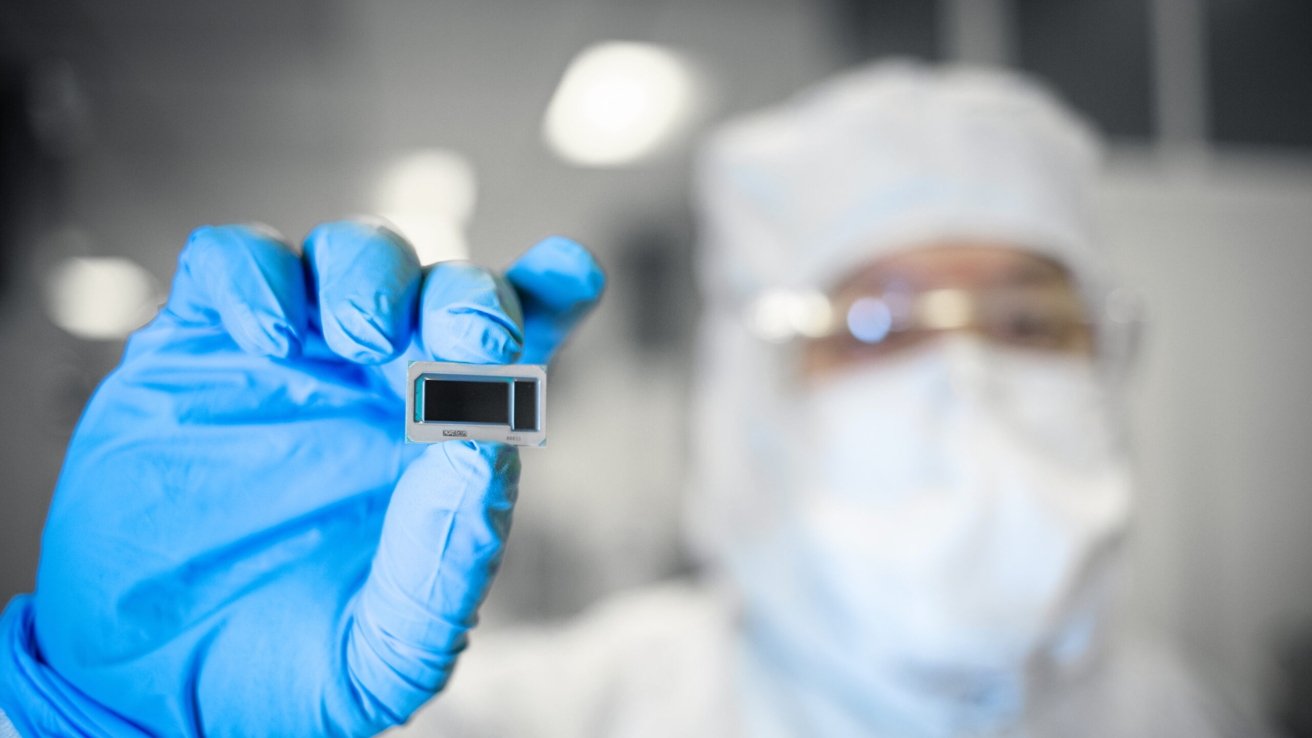
Reports initially surfaced suggesting that Apple and Intel were exploring ways to collaborate on chip manufacturing as part of Apple's broader effort to diversify its supply chain. The Wall Street Journal revealed Friday that the companies have made substantial headway, moving from informal talks to preliminary agreements. While the exact terms remain confidential, insiders indicate that Intel would manufacture certain Apple Silicon components at its advanced fabrication facilities, potentially leveraging its upcoming Intel 18A process node. This represents a significant shift for Intel, which has historically focused on producing its own processors but is now opening its fabs to external clients as part of its IDM 2.0 strategy.
Implications for Apple's Supply Chain
Reducing Reliance on TSMC
Apple currently relies almost exclusively on TSMC to produce its A-series and M-series chips, which are designed in-house using ARM-based architecture. This concentration poses risks, especially given geopolitical tensions between China and Taiwan, where TSMC's primary factories are located. By establishing Intel as a secondary supplier, Apple can mitigate potential disruptions from natural disasters, trade conflicts, or other supply chain shocks. Additionally, diversifying sources could give Apple greater leverage in price negotiations and access to different manufacturing technologies.
Geopolitical Considerations
The move also aligns with increasing pressure from the U.S. government to bring advanced semiconductor manufacturing back to American soil. The CHIPS Act, passed in 2022, provides billions in subsidies to encourage domestic chip production. Apple, as a major consumer of semiconductors, has a stake in supporting a resilient, localized supply chain. Partnering with Intel, which is expanding its foundry business in Arizona and Ohio, would directly contribute to these national goals while ensuring Apple's next-generation chips are made with a reliable, onshore partner.
The Role of U.S. Manufacturing
Intel's facility in Arizona is already preparing for high-volume manufacturing of advanced logic chips, including those that could power future Macs and iPhones. The company's Ohio site is also slated to come online later this decade. Apple's involvement could accelerate Intel's timeline and validate its foundry efforts, which have faced skepticism among industry analysts. For Intel, winning Apple as a customer would be a major endorsement, potentially attracting other tech giants to its manufacturing services. However, the partnership is not without challenges—Intel's current manufacturing capabilities lag behind TSMC's most advanced nodes, and Apple's designs require extreme precision and yield rates. Analysts suggest that Apple may reserve Intel for less complex chips initially, such as Wi-Fi or Bluetooth controllers, before moving to core processors.

What This Means for Future Apple Silicon
While the deal is still preliminary, the long-term implications are profound. Apple has persistently pushed the boundaries of processor performance and energy efficiency with each generation of Apple Silicon. Adding Intel as a manufacturing partner could provide redundancy in production capacity, ensuring that supply meets demand even during peak launch cycles. Moreover, Intel's expertise in advanced packaging and chiplet architectures could open new design possibilities for Apple, potentially enabling modular chip designs that combine different components from multiple fabs. However, industry experts caution that the transition will be gradual; Apple is unlikely to abandon TSMC entirely due to the deep integration and custom process optimizations TSMC provides. Instead, the relationship could become a three-way dance, with Apple balancing orders between TSMC, Intel, and possibly other foundries like Samsung to maintain flexibility and security.
Conclusion
The preliminary agreement between Apple and Intel marks a pivotal evolution in the semiconductor industry. For Apple, it offers a strategic hedge against supply chain vulnerabilities and geopolitical risks while supporting U.S. manufacturing. For Intel, it provides a high-profile validation of its foundry ambitions. Although many details remain under wraps, the partnership underscores a broader trend of tech giants seeking to control their hardware destiny through diverse, localized production. As the story develops, consumers can expect their next Apple device to potentially be powered by chips that carry an Intel inside—not as a processor, but as a maker.