NVIDIA Unveils Nemotron 3 Nano Omni: One Model to Rule Them All for Multimodal AI Agents
Breaking: NVIDIA Launches Unified Multimodal Model – 9x Faster Than Current Systems
NVIDIA today unveiled Nemotron 3 Nano Omni, an open multimodal model that processes vision, audio, and language in a single system. This breakthrough enables AI agents to deliver responses up to nine times more efficiently than combining separate models.
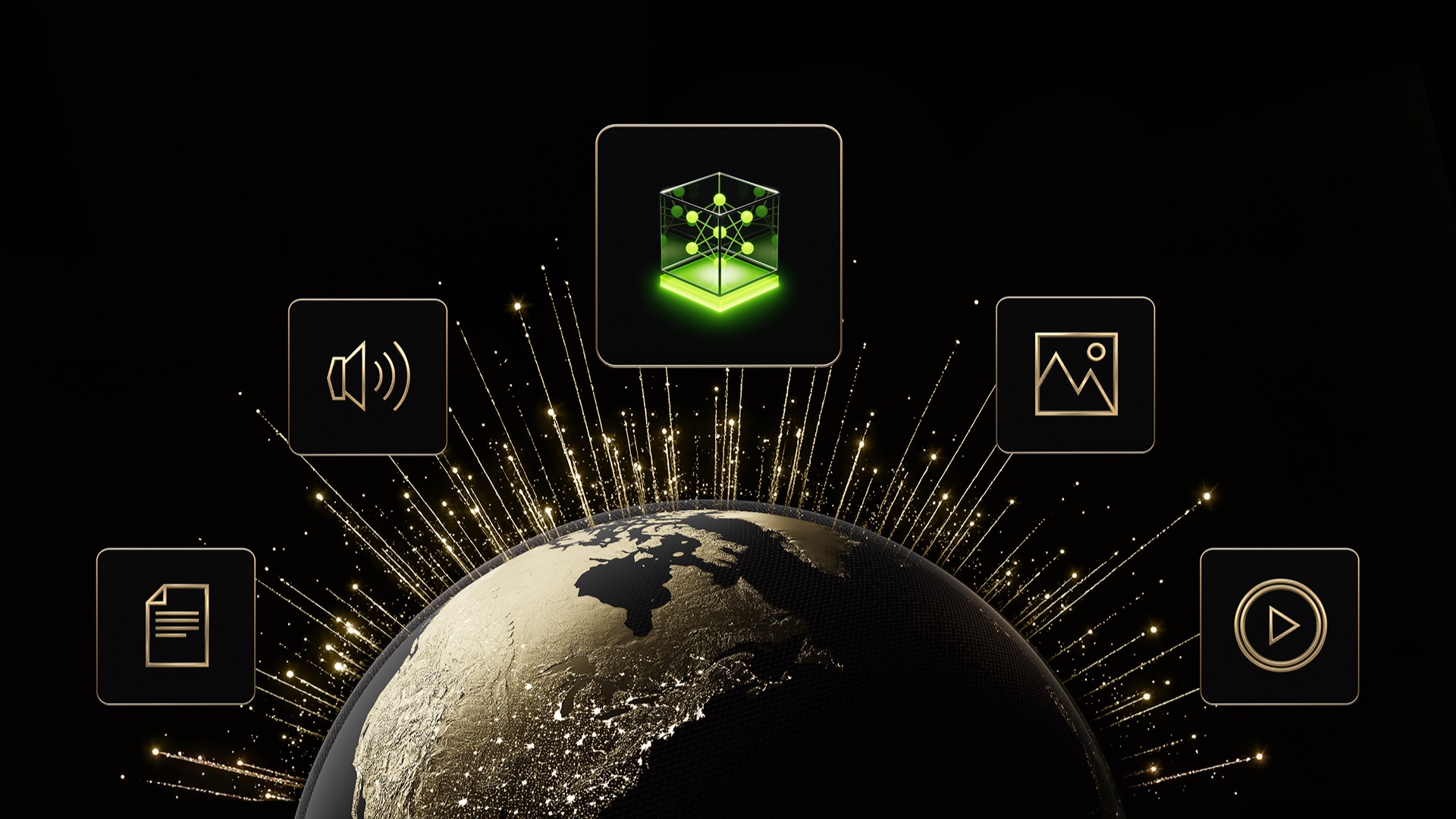
The new model, announced on April 28, 2026, sets a benchmark for open omni-modal reasoning. It tops six leaderboards for complex document intelligence, video, and audio understanding.
Immediate Industry Adoption
Major enterprises including Foxconn, Palantir, and H Company have already adopted Nemotron 3 Nano Omni. Others like Dell Technologies, Oracle, and Docusign are actively evaluating the model.
“To build useful agents, you can’t wait seconds for a model to interpret a screen,” said Gautier Cloix, CEO of H Company. “By building on Nemotron 3 Nano Omni, our agents can rapidly interpret full HD screen recordings — something that wasn’t practical before. This isn’t just a speed boost: It’s a fundamental shift in how our agents perceive and interact with digital environments in real time.”
Background: The Fragmented Agent Problem
AI agent systems have traditionally relied on separate models for vision, speech, and language. This fragmented approach introduces latency, loses context during data handoffs, and increases costs.
For example, a customer support agent processing a screen recording while analyzing call audio and checking logs would require three separate models. The repeated inference passes and context gaps reduce accuracy and responsiveness.
Nemotron 3 Nano Omni solves this by combining vision and audio encoders within a 30B-A3B hybrid Mixture-of-Experts (MoE) architecture with Conv3D and EVS, supporting 256K context. The model accepts text, images, audio, video, documents, charts, and graphical interfaces as input, outputting only text for maximum flexibility.
What This Means for Enterprises and Developers
This unified approach allows developers to build faster, more reliable agentic systems using a single multimodal perception sub-agent. Nemotron 3 Nano Omni functions as the “eyes and ears” in a system of agents, complementing models like Nemotron 3 Super and Ultra or proprietary alternatives.
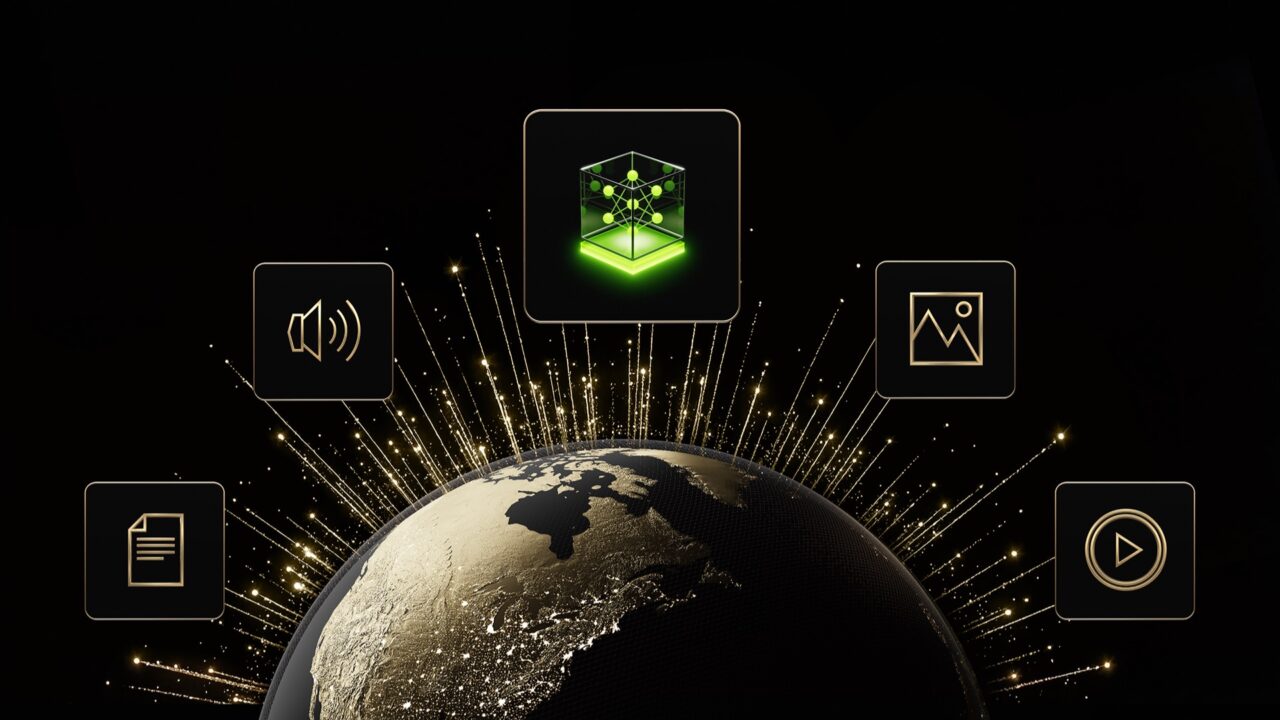
“Leading multimodal accuracy and 9x higher throughput than other open omni models with the same interactivity result in lower cost and better scalability without sacrificing responsiveness,” NVIDIA stated in the release. The model is available via Hugging Face, OpenRouter, build.nvidia.com, and over 25 partner platforms.
Early adopters across healthcare, manufacturing, and finance are already integrating Nemotron 3 Nano Omni into production workflows. For healthcare provider Eka Care, the model enables real-time analysis of medical imaging and voice notes simultaneously.
Industry Reactions
“This isn’t just a speed boost — it’s a fundamental shift,” Cloix emphasized. Pyler, an AI startup working on document processing, confirmed similar performance gains in internal tests.
Analysts note that unifying modalities removes a key bottleneck for autonomous agents operating in dynamic environments. The open nature of the model also gives enterprises full control over deployment and customization.
Availability and Next Steps
Nemotron 3 Nano Omni is available today. Enterprises can download the model or access it via cloud platforms. NVIDIA encourages developers to explore the documentation and contribute to the open-source repository on Hugging Face.
“We expect rapid adoption as teams realize they no longer need to stitch together separate AI systems,” added a NVIDIA spokesperson. “This is the new baseline for multimodal AI agent efficiency.”